
Why Working With a Design-to-Build Remodeling Team Makes Your Project Faster and Smoother
A remodeling project becomes easier to manage when one team handles the design, planning, and construction from start to finish. A design-build structure removes the hand-offs between separate companies, which is one of the most common reasons projects fall behind schedule. Homeowners in San Antonio regularly search for services that simplify the process, reduce stress, and deliver clear results without delays. A design-build remodeling team provides that structure.
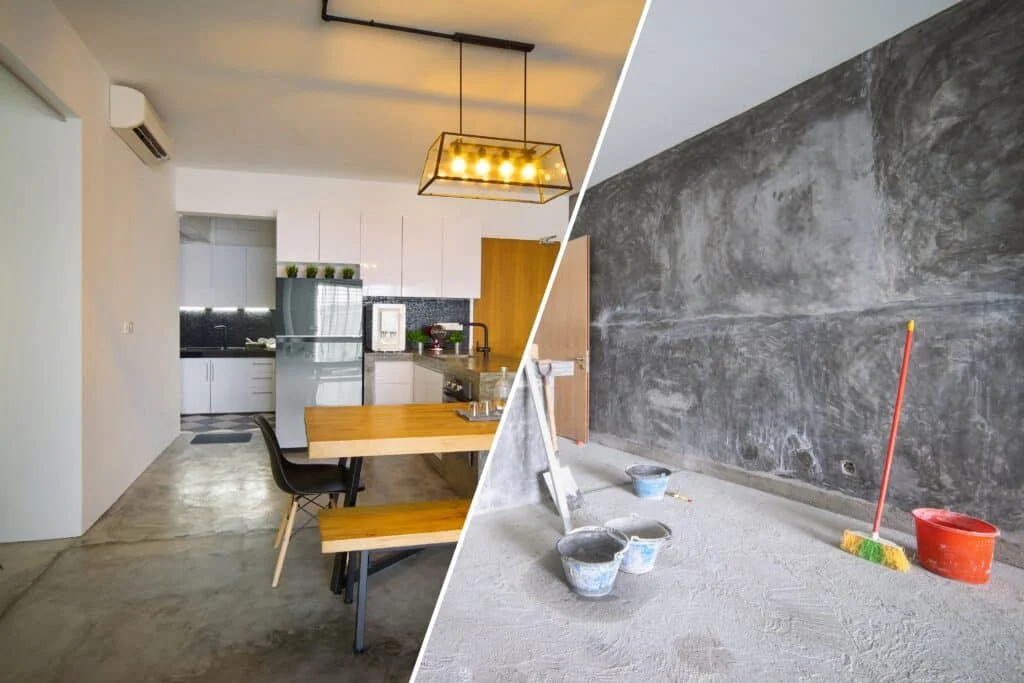
A design-build team guides the project from the first consultation to the final walk-through. That team manages the drawings, the engineering details, the budgeting, the permits, the material selections, the construction, and the final adjustments. This single-team system keeps every phase connected. Research from the Design-Build Institute of America reports that design-build delivery produces projects 33% faster and 6% less costly on average compared to the traditional design-bid-build method
(source: https://dbia.org/wp-content/uploads/2021/03/Design-Build-Value-Report.pdf).
That speed and clarity explain why design-build remodeling has grown to nearly 45% of the entire U.S. construction market
(source: https://www.fmiresources.com).
Homeowners and property owners see more predictable timelines, better communication, and fewer surprises. This article breaks down how the process works, why it performs better, and the specific advantages that help San Antonio residents complete remodeling projects faster and smoother.
The Speed Advantage of a Design-Build Remodeling Team
A remodeling project gains speed through tight coordination. A design-build team works as a single group. The designer speaks to the project manager. The project manager speaks to the construction crew. The construction crew speaks to the estimator. Everyone works from the same information and the same plan.
Many remodels stall because designs are created without construction input. Build crews discover problems later. That discovery triggers revision fees, schedule changes, and budget adjustments. A design-build team prevents those obstacles.
The design-build structure produces speed through:
1. Direct communication
Every person on the project has the same goals and the same client expectations. No delays caused by third-party responses. No waiting on outside designers or architects.
2. Immediate issue-solving
Changes get resolved internally. A design question becomes a quick conversation instead of a chain of emails.
3. Better sequencing
A unified team creates the entire timeline, so the project moves in a predictable order without downtime between phases.
4. Accurate layouts the first time
Construction insights get added during design, so plans avoid structural conflicts and unrealistic measurements.
The combination of communication, sequencing, and early-stage accuracy produces real-world speed advantages. The DBIA study cited earlier identifies design-build as the fastest project delivery method in the U.S., outpacing the traditional method by 23%.
How Design-Build Services Reduce Stress and Improve Clarity
A remodeling project becomes stressful when owners don’t know what comes next. A design-build team reduces stress by controlling every step. The team provides one schedule, one point of contact, and one coordinated approach.
Stress reduction comes from:
Clear documentation
The team creates detailed drawings, product lists, scopes of work, and job calendars.
Reliable budget tracking
Because the same team manages design and construction, the pricing stays consistent. Cost projections do not shift between separate companies.
Single responsibility
The team owns the entire outcome. There is no finger-pointing between designers and contractors.
Transparent updates
Owners receive progress reports, timeline updates, and material confirmations from the same coordinator.
Research from the National Association of Home Builders shows that the top two homeowner frustrations during remodeling are delays and unclear communication (source: https://www.nahb.org).
A design-build structure directly targets those issues by eliminating the multi-company coordination gaps that slow projects down.
Why a Design-Build Model Improves Quality
A design-build approach blends creativity with construction knowledge. The designer works with the build team early, so the design achieves the client’s vision while remaining structurally accurate. This integrated approach improves quality in several key ways.
Better material selection
The team knows which materials perform best in San Antonio’s climate. That includes heat-resistant roofing materials, moisture-resistant flooring, and energy-efficient window designs.
Better craftsmanship alignment
The construction crew understands the designer’s vision before demolition begins. This prevents costly re-work.
Better structural planning
The builder validates every measurement. The designer adjusts layouts based on access, load points, and framing requirements.
Better long-term performance
A unified team considers maintenance access, electrical reach, plumbing placement, ventilation, and lifestyle needs before construction starts.
A remodeling project with disconnected designers and contractors often fails in these areas because each group focuses only on its part. A design-build team focuses on the property as a full system.
Six Key Benefits of Using a Design-Build Remodeling Team
The 6 most practical advantages of working with a design-build remodeling team include:
1. Faster project delivery
Research identifies that design-build delivery shortens total project time by 33%.
2. Smoother communication
A single team eliminates long response times and confusion between multiple vendors.
3. Proven budget accuracy
The design-build system reduces change-orders because the builder and designer agree on all specifications early.
4. Lower stress for the homeowner
One project manager handles all details, scheduling, and updates.
5. Stronger accountability
A design-build team is responsible for every outcome, including quality, timing, and craftsmanship.
6. Better customization
Designers collaborate directly with the construction team, so custom ideas become easier to build the right way.
These benefits create a more predictable remodeling experience. Homeowners prefer predictability, especially for larger projects such as kitchen remodels, room additions, whole-home transformations, or commercial renovations.
Why the Design-Build Model Fits San Antonio Homeowners and Businesses
San Antonio homeowners focus on design styles that blend clean layouts with Texas-influenced materials such as stone, metal accents, natural wood tones, and open kitchen spaces. A design-build model handles these needs easily because the team manages design choices, structural calculations, and aesthetic goals together.
Property owners in San Antonio also deal with climate challenges. High heat, humidity, and temperature swings require remodeled spaces built with accurate insulation choices, HVAC planning, and moisture-resistant materials. A design-build team addresses those requirements inside the design phase instead of during construction.
Commercial property owners see similar advantages. San Antonio’s commercial spaces often need ADA-compliant layouts, functional traffic flow, durable flooring, and specialized lighting. A design-build structure prevents expensive redesigns by incorporating safety codes and workflow needs early.
How the Design-Build Process Works Step by Step
A design-build remodeling team follows a clear sequence. Each step reduces uncertainty and speeds the project forward.
Step 1: Initial Consultation
The meeting defines the goals, the functional needs, the design direction, the budget range, and the long-term purpose of the remodel. This establishes clear expectations.
Step 2: Site Evaluation and Measurements
The team evaluates the property, records the measurements, identifies structural limitations, and documents utility placements. The evaluation becomes the foundation of the design.
Step 3: Concept Development
The designer and builder collaborate to create:
- Preliminary floor plans
- Concept mockups
- Material ideas
- Layout options
- Structural considerations
These early concepts prevent future conflicts.
Step 4: Final Design and Scope
The team produces construction-ready drawings. This stage locks in the layout, the materials, the mechanical details, and the structural plan. The scope of work becomes the guiding document.
Step 5: Project Timeline and Scheduling
A design-build team sequences each trade in a coordinated, realistic timeline. This avoids downtime between demolition, framing, plumbing, electrical, drywall, and finish work.
Step 6: Construction
The build team executes the design. The construction manager oversees quality, schedule adherence, and craftsmanship. The designer stays involved during construction to confirm that the final product matches the original vision.
Step 7: Final Walk-Through
The team reviews the finished space, addresses final adjustments, confirms functionality, and ensures the client receives exactly what was promised.
This step-by-step structure keeps the entire remodel steady, predictable, and easier for the homeowner.
Why Traditional Design-Bid-Build Slows Projects Down
A traditional remodel that uses separate designers and contractors often faces:
- Conflicting measurements
- Delayed clarifications
- Multiple contracts
- Pricing inconsistencies
- Design ideas that cannot be built
- Slow communication
- More change-orders
- Longer downtime between trades
Each company works with its own process, its own timeline format, and its own goals. Those differences create delays.
The design-build model removes those barriers entirely. One team. One system. One direction.
The Smoother Experience Homeowners Prefer
Homeowners value predictability. Remodeling disrupts daily life. The goal becomes completing the project correctly, quickly, and with as little stress as possible. A design-build model provides that structure.
The smoother experience includes:
- Fewer project interruptions
- Faster issue resolution
- One accountable team
- Better quality control
- Clear expectations
- Less communication confusion
- More accurate budgeting
The design-build model creates a remodeling experience that supports the homeowner from the first idea to the final walkthrough.
Why HouseFX Delivers the Ideal Design-Build Experience
HouseFX brings design and construction together for both residential and commercial remodeling in San Antonio. The team understands regional architecture, climate-appropriate materials, and the functional needs of Texas homeowners. The HouseFX approach blends detailed planning with craftsmanship, so every project moves efficiently through each phase.
Clients receive:
- A single project manager
- Direct communication
- Transparent planning
- Accurate timelines
- Custom design work
- Quality-focused construction
- Local building knowledge
A design-build system works best when the team has experience with local codes, structural needs, and the design styles common across San Antonio neighborhoods. HouseFX delivers that combination.
Frequently Asked Questions (FAQs)
What is the difference between design-build remodeling and traditional remodeling?
Design-build remodeling uses one unified team to handle design, planning, and construction. Traditional remodeling separates designers and contractors, which often causes delays, miscommunication, and added costs when plans change during construction.
Is a design-build remodeling project faster than a traditional remodel?
Yes. Design-build projects move faster because the design and construction teams work together from the start. This eliminates hand-offs, redesigns, and waiting periods between phases, which are common causes of remodeling delays.
Does design-build remodeling cost more than hiring separate designers and contractors?
In most cases, no. Design-build remodeling often reduces total project costs by limiting change orders, avoiding redesign fees, and keeping budgets consistent from planning through construction.
Who is responsible for the project in a design-build remodel?
The design-build team takes full responsibility for the entire project. Homeowners work with one project manager instead of coordinating between multiple companies, which improves accountability and communication.
Is design-build remodeling a good fit for San Antonio homes and businesses?
Yes. San Antonio properties benefit from design-build remodeling because the team accounts for local climate conditions, building codes, and regional design preferences during the planning stage instead of correcting issues during construction.
Call HouseFX Today
HouseFX delivers the best residential and commercial remodeling services in San Antonio, TX through a true design-build approach that keeps your project fast, clear, and stress-free. Call 210-853-3651 to bring your remodeling vision to life.