
Flooring Installation in San Antonio: How to Choose the Right Floor and Installer
For flooring installation in San Antonio, luxury vinyl plank and porcelain tile are the most practical choices for most homes because they handle concrete slab foundations, heat and humidity well. HouseFX installs vinyl plank, tile and hardwood flooring across San Antonio and provides free on-site estimates at 210-853-3651.
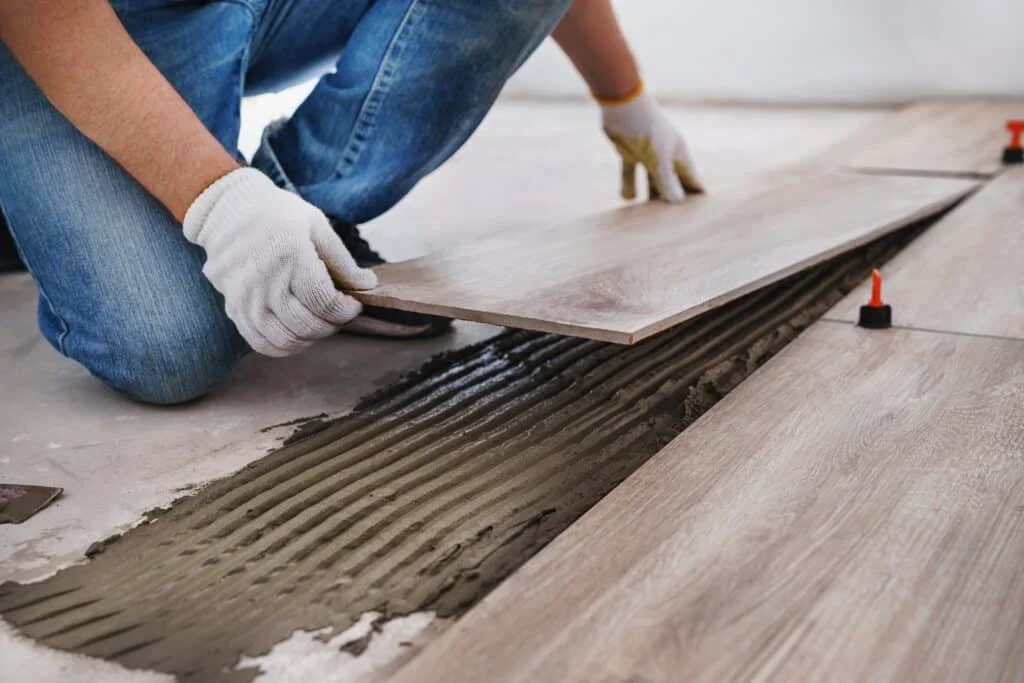
A new floor is one of the few upgrades you see and feel in every room, every day. In San Antonio, the right choice starts with what is under your feet. Most homes here are built on a concrete slab, summers are long and hot, and the clay soil under many neighborhoods moves between wet and dry seasons. Those three facts decide which floors last and how they should be installed.
This guide compares the four floor types we install most, answers the vinyl plank questions we hear every week, walks through how flooring goes down on a slab, and gives you a checklist for choosing an installer. If you already know what you want, see our flooring installation service or call for a free on-site estimate.
Want help choosing a floor? Call 210-853-3651 or request a free estimate online. Free on-site estimates. Financing options available.
Key Takeaways
- Most San Antonio homes sit on a concrete slab, so moisture testing and slab prep come before any new floor.
- Luxury vinyl plank is water-resistant and comfortable underfoot; porcelain tile is the most durable and stays cool.
- Solid hardwood is harder to use on slab; engineered hardwood is the usual alternative.
- A good installer inspects the slab, gives a written scope and explains the warranty.
Which Type of Flooring Is Best for San Antonio Homes?
It depends on the room, but luxury vinyl plank and porcelain tile suit the most rooms in a San Antonio home. Both go directly over a properly prepared slab, both handle humidity, and both come in looks that range from wood to stone. Engineered hardwood and carpet still have their place, mostly in living rooms and bedrooms.
Floor Type | Good For | Watch For |
|---|---|---|
Luxury vinyl plank (LVP) | Living areas, kitchens, bathrooms, rentals; water-resistant, softer than tile | Needs a flat, dry slab; direct sun can fade or expand cheaper products |
Porcelain or ceramic tile | Kitchens, baths, entries, whole-house in hot climates; very durable | Hard underfoot; slab cracks can show through without proper prep |
Engineered hardwood | Living rooms and bedrooms where a real wood look matters | Sensitive to moisture; slab must be tested and sealed |
Carpet | Bedrooms; quiet and soft | Holds dust and stains; shorter life |
Which Floor Works Best in Each Room?
Room | Good Choices | Why |
|---|---|---|
Kitchen | Porcelain tile, luxury vinyl plank | Spills, dropped pans and heavy foot traffic |
Bathrooms and laundry | Porcelain tile, vinyl plank rated for wet areas | Standing water and humidity |
Living and dining rooms | Vinyl plank, engineered hardwood, wood-look tile | Appearance, furniture and sun exposure |
Bedrooms | Carpet, vinyl plank, engineered hardwood | Comfort and quiet |
Entries and mudrooms | Porcelain tile | Grit and wet shoes |
Many San Antonio owners now run one floor through the whole main level. It makes rooms feel larger and removes the transition strips that collect dirt. If that is your plan, pick the floor for the hardest room first, which is usually the kitchen.
Is Vinyl Plank Flooring a Good Choice in San Antonio?
Yes, for most rooms. Vinyl plank flooring is water-resistant, installs over a properly prepared concrete slab, and costs less to install than tile because there is no mortar or grout work. It is also warmer and softer underfoot than tile, which matters if you stand in the kitchen a lot or have small children.
Not all vinyl plank is the same. Three details separate a floor that lasts from one that does not:
- Core. Rigid core planks hold their shape better over small slab imperfections and in rooms that get warm. Glue-down planks follow the slab closely and suit large open areas.
- Wear layer. The clear top layer takes the scratches. A thicker wear layer suits homes with pets, children or rental tenants.
- Sun rating. South and west windows put strong direct sun on a floor for hours. Ask whether the product is rated for that exposure, and plan on blinds or window film where it is not.
Ask your installer three things before you order:
- How will you check the slab for moisture and flatness?
- Is this product rated for rooms with strong direct sunlight?
- Will it be floated or glued down, and why?
Vinyl plank is water-resistant from the top. It does not fix a damp slab. If moisture is coming up through the concrete, that has to be dealt with before any floor goes down.
Is Tile or Vinyl Plank Better for a San Antonio Home?
Tile lasts longer and stays cooler; vinyl plank is softer, quieter and faster to install. Neither is wrong. The choice usually comes down to how the room is used.
Question | Porcelain Tile | Luxury Vinyl Plank |
|---|---|---|
How long does it last? | Decades when the slab is prepared correctly | Long-lasting, but the wear layer eventually shows traffic |
How does it feel? | Hard and cool, which is welcome in summer | Softer and warmer, easier on feet and dropped dishes |
How does it handle water? | Unaffected by water; grout lines need a stain-resistant grout or sealer | Water-resistant surface; seams and edges still need care |
What does the slab need? | Crack isolation over hairline cracks, and a flat surface for large tiles | A flat, dry slab; small dips can show or flex |
How long is installation? | Longer: setting, grouting and cure time | Shorter: no mortar or grout |
Large-format tile needs a flatter slab than small tile, so preparation matters more as tiles get bigger. If you want the look of wood with the durability of tile, wood-look porcelain plank is a common middle path.
Can Hardwood Floors Be Installed on a Concrete Slab?
Engineered hardwood can; solid hardwood is usually not the right fit. Solid planks are normally nailed to a wood subfloor, which a slab home does not have. Engineered hardwood has a real wood surface over a stable layered core, and it can be glued to or floated over concrete.
Wood and moisture do not mix, so the slab is tested first and sealed or covered with a moisture barrier when the readings call for it. The boards also need time inside the house to adjust to indoor conditions before installation, following the manufacturer’s instructions. Skipping either step is how wood floors end up cupping or gapping after the first humid summer.
How Is Flooring Installed on a Concrete Slab?
Flooring installation on a slab follows five steps.
- Remove the old floor and adhesive.
- Inspect the slab for cracks, high and low spots, and moisture.
- Prepare the surface: grind, patch or level, and add a moisture barrier if needed.
- Install the new floor, leaving expansion gaps where the product requires them.
- Finish with baseboards, transitions and a walkthrough.
San Antonio’s clay soil shifts between wet and dry seasons, which can cause hairline slab cracks. A careful installer addresses them before laying tile, usually with a crack isolation membrane, so the crack does not travel up into the new floor.
Preparation is where good and bad installations separate. Expect your installer to check three things and tell you what they found:
- Moisture. A moisture test on the slab, not a guess.
- Flatness. High spots are ground down and low spots are filled, to the tolerance the flooring maker requires.
- Old adhesive and coatings. Residue that would stop the new adhesive or mortar from bonding is removed.
Ready for new floors? Call 210-853-3651 or request a free estimate online. Free on-site estimates. Financing options available.
How Long Does Flooring Installation Take?
It depends on the area, the floor type and how much slab preparation is needed. Vinyl plank is usually the quickest because there is no mortar or grout to cure. Tile takes longer because it is set, grouted and left to cure before furniture goes back. Engineered hardwood adds time up front while the boards adjust to the house.
Removing the old floor can change the schedule more than the new floor does. Glued-down wood and old tile take longer to lift than carpet. HouseFX gives a timeline in the written estimate, after we have seen the existing floor and the slab.
How Do I Choose a Flooring Installer in San Antonio?
Choose a flooring installer who inspects before quoting and puts the scope in writing. Use this checklist:
- Do they look at the slab and measure in person before giving a price?
- Is the estimate itemized: removal, prep, materials, labor, trim?
- Can they show recent local work and reviews?
- Do they explain both the product warranty and their workmanship warranty?
- Do they give a start date, duration and crew size?
- Do they say who moves furniture, removes the old floor and hauls it away?
Red flags: a price by phone only, a large cash deposit, no written scope.
Flooring is often part of a bigger job. If you are also planning kitchen remodeling, bathroom remodeling or whole-home remodeling, have one contractor sequence the work so new floors go in after the messy trades are done.
Do I Need a Permit to Replace Flooring in San Antonio?
No, not for the floor itself. The City of San Antonio’s No Permit Required List includes carpeting, wood and laminate flooring, and tiling. A permit comes into play only when the project goes further, for example moving plumbing, changing walls or repairing structure under the floor. Our guide to getting a permit to remodel a home in San Antonio explains where the line is.
If you live in a suburb with its own permit office, or in a neighborhood with an HOA, confirm the local rule before you start.
Does New Flooring Affect Indoor Air?
It can for a short time, and product choice makes the difference. Adhesives, finishes and some flooring materials release odors as they cure. Ask for low-VOC adhesives and products with a third-party low-emission certification, and keep the house ventilated during installation and for a few days after. The EPA’s indoor air quality guidance explains how ventilation and product selection work together.
Frequently Asked Questions About Flooring Installation in San Antonio
What is the best flooring for a house on a concrete slab?
Luxury vinyl plank and porcelain tile are the most practical on a slab. Engineered hardwood can work when the slab is tested and sealed for moisture.
Is vinyl plank flooring waterproof?
Most luxury vinyl plank is water-resistant on its surface, which suits kitchens and bathrooms. The slab underneath still needs to be dry and properly prepared.
Can new flooring go over existing tile?
Sometimes. Vinyl plank can go over sound, flat tile, but loose or uneven tile should be removed first. An on-site inspection decides it.
How long does flooring installation take?
It depends on the area, the floor type and how much slab preparation is needed. HouseFX gives a timeline in the written estimate.
Do I need a permit to replace flooring in San Antonio?
Replacing flooring is cosmetic work and is generally exempt from permits in San Antonio. Carpeting, wood and laminate flooring, and tiling are on the city’s No Permit Required List.
Is tile or vinyl plank better for a kitchen?
Both work. Porcelain tile is the most durable and is unaffected by water. Vinyl plank is softer underfoot and quicker to install. Choose tile for the longest life and vinyl plank for comfort.
Can you install hardwood floors on a concrete slab?
Engineered hardwood can be glued to or floated over a slab that has been tested and sealed for moisture. Solid hardwood normally needs a wood subfloor.
Why does a slab need a moisture test before new flooring?
Moisture in the concrete can loosen adhesives and damage wood and vinyl from below. A moisture test tells the installer whether a barrier or sealer is needed before the floor goes down.
How do I prepare my home for flooring installation?
Clear small items and breakables, decide where furniture will go, and keep pets out of the work area. Your installer should tell you in writing who moves large furniture and appliances.
Does HouseFX install vinyl flooring in San Antonio?
Yes. HouseFX installs vinyl plank, tile and hardwood flooring in San Antonio. Call 210-853-3651.
Does HouseFX Install Flooring in San Antonio?
Yes. HouseFX provides flooring installation in San Antonio and nearby communities as a stand-alone project or as part of a kitchen, bathroom or whole-home remodel. We install luxury vinyl plank, porcelain and ceramic tile, engineered hardwood and carpet, and we handle removal, slab preparation, baseboards and transitions under one written scope. See our flooring installation service for details.
HouseFX, 911 Stoney Ridge Rd, Bulverde, TX 78163. Call 210-853-3651 or contact us online for a free on-site estimate. Financing options are available.