
Bathroom Remodel in an Older San Antonio Home: What to Really Expect
Remodeling a bathroom in an older San Antonio home means working with what is already behind the walls, not just what you see on the surface. Many homes across Bexar County were built decades ago with materials and systems that no longer meet current code, so a successful remodel blends modern design with the practical work of updating plumbing, wiring, waterproofing, and structure. This guide explains every stage of the process, the hidden issues common in older local homes, the permits San Antonio requires, and how to plan a project that lasts. House FX is a licensed, insured, and Texas Department of Licensing and Regulation registered remodeling contractor that has served local homeowners for more than six years, so the steps below reflect how older San Antonio bathrooms are actually rebuilt.
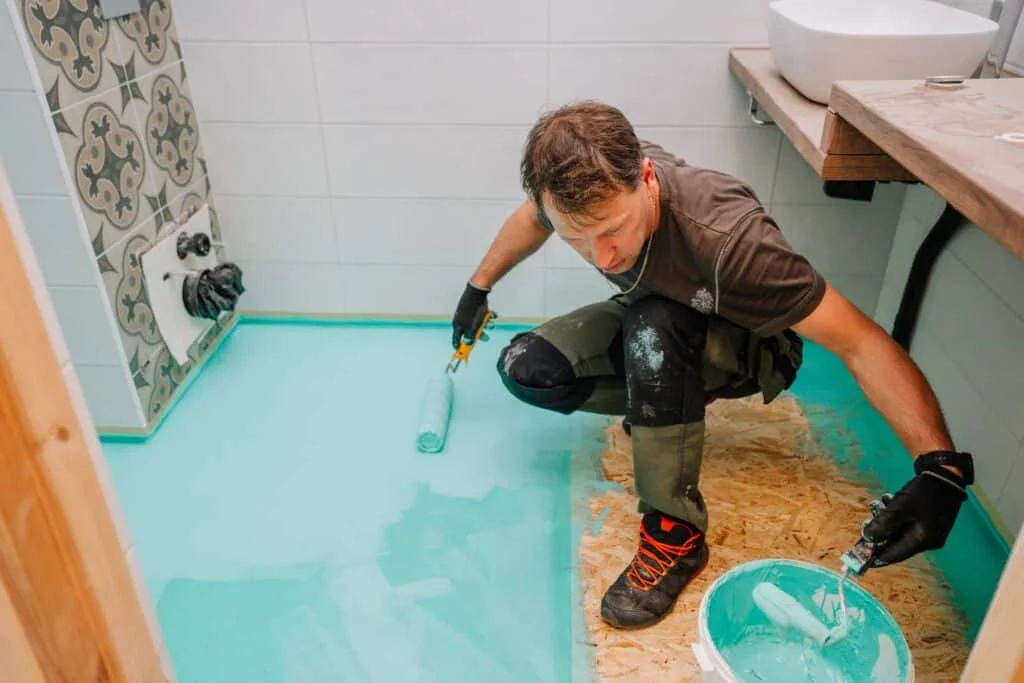
A bathroom remodel in an older San Antonio home involves more than new tile and fixtures. Because many local homes were built before modern plumbing and electrical codes, the project usually includes opening the walls to inspect aging galvanized or cast iron pipes, updating wiring to today’s GFCI requirements, replacing damaged subfloor, adding proper waterproofing, pulling City of San Antonio permits, and then installing your new layout, fixtures, and finishes. Hidden conditions behind the walls are the biggest variable, which is why a licensed, insured contractor inspects before quoting. House FX has completed 100 plus bathroom renovations across Bexar County and can walk you through exactly what your home needs.
What makes remodeling a bathroom in an older San Antonio home different?
The difference comes down to the systems hidden inside the walls and floor. A bathroom in a newer build typically has copper or PEX supply lines, PVC drains, grounded GFCI circuits, and a properly waterproofed wet area. In an older home, those same elements may be original to the house, which means a remodel often doubles as a system upgrade. Demolition tends to reveal conditions that were never visible, and a contractor experienced with local housing stock plans for that from the start.
This is the core reason reputable remodelers inspect before they quote. The visible scope (tile, vanity, shower, paint) is the easy part. The variable part is what the demolition uncovers, and older homes carry more unknowns than newer ones. Building that discovery step into the plan is what separates a smooth older home remodel from one full of surprises.
How old is “older” in San Antonio, and why does the build era matter?
In practical terms, any San Antonio home built before roughly 1985 is likely to have at least one original system that affects a bathroom remodel. The build decade is a useful predictor of what you will find once the walls are open, because materials and code requirements changed over time.
-
Homes built before 1960: Often have galvanized steel water supply lines. Galvanized pipe has a service life of about 40 to 50 years, so any remaining runs are well past their lifespan and prone to internal scaling, low pressure, and rusty water.
-
Homes built before 1975: Frequently have cast iron drain and waste lines. Cast iron can last 50 years or more, but it begins to corrode and crack after about 25 years, which leads to slow drains and hidden leaks.
-
Early to mid century homes: May still have clay or terra cotta sewer lines, which are common in older San Antonio neighborhoods and are vulnerable to root intrusion and cracking.
-
Homes from the 1960s and 1970s: Sometimes contain aluminum branch wiring, which can loosen at connections over time and needs careful evaluation.
-
Pre 1980 homes generally: Tend to have ungrounded two prong outlets and no GFCI protection near water, which a modern bathroom remodel must correct.
None of this means an older home is a bad candidate for remodeling. It simply means the project should be scoped with the build era in mind. Historic neighborhoods such as Monte Vista, King William, Alamo Heights, and Terrell Hills hold some of the most desirable homes in the city, and they are remodeled successfully every day when the work is planned around their age.
What hidden issues show up behind the walls of older San Antonio bathrooms?
The most common surprises fall into five categories: aging supply pipes, deteriorating drain lines, outdated wiring, water damaged subfloor, and the effects of foundation movement. Each one is manageable, but each can change the scope of a remodel once it is uncovered.
Aging galvanized supply pipes
Galvanized steel was the standard for water supply lines in homes built through the 1950s. Inside, the zinc coating wears away and the steel corrodes, narrowing the pipe and reducing water pressure. According to the EPA’s guidance on drinking water, older galvanized lines can also affect water quality. If your remodel opens a wall and reveals galvanized pipe, replacing those runs with copper or PEX while the wall is open is far more cost effective than doing it later.
Cast iron and clay drain lines
Cast iron drain pipe is durable but corrodes from the inside as waste passes through it, and after a few decades the interior becomes rough and pitted, which slows drainage and catches debris. Clay sewer lines, still found under some older San Antonio properties, are especially prone to root intrusion. A camera inspection of the drain line is a smart step during an older home bathroom remodel because it shows the real condition of pipe that you cannot otherwise see.
Outdated and ungrounded wiring
Modern code requires bathroom receptacles to be on dedicated 20 amp circuits with ground fault protection. Older homes often have two prong ungrounded outlets and no GFCI near the sink. Bringing the bathroom up to current standards protects the home and is required for a permitted, code compliant remodel. The National Fire Protection Association, which publishes the National Electrical Code, sets the GFCI requirements that local inspectors enforce.
Water damaged subfloor and framing
Years of small leaks around tubs, toilets, and shower pans can soften the subfloor and framing beneath an older bathroom without any obvious sign on the surface. This is one of the most frequent discoveries during demolition. Replacing compromised subfloor before new tile goes down is essential, because a strong, level, dry base is what keeps a new floor from cracking later.
Foundation movement on expansive clay soils
San Antonio sits on expansive clay soils that swell and shrink with moisture, which causes seasonal foundation movement across much of the area. In older homes this movement can show up as cracked floor tile, gaps at the base of walls, or doors that no longer hang square. A bathroom remodel is a good time to address these symptoms with proper substrate preparation and crack isolation membranes so the finished work holds up to normal soil movement.
What are the steps in remodeling an older home’s bathroom?
An older home bathroom remodel follows a clear sequence, and each phase builds on the one before it. Skipping or rushing a step is what causes problems down the road, so an experienced crew works through them in order.
-
Design and assessment - Your goals, layout, and material selections are finalized, and the contractor evaluates the existing space and systems before any work begins.
-
Permitting - The required City of San Antonio building, plumbing, electrical, and mechanical permits are pulled before demolition.
-
Demolition - Old tile, fixtures, vanities, and finishes are removed carefully so the underlying conditions can be inspected.
-
Discovery and inspection - With the walls and floor open, supply lines, drains, wiring, subfloor, and framing are inspected. Any hidden issues are documented and addressed.
-
System updates - Aging pipes are replaced, wiring is brought to code with proper GFCI protection, and venting and drains are adjusted to meet local requirements.
-
Rough in inspection - A city inspector verifies the plumbing and electrical work before the walls are closed.
-
Waterproofing - Shower and wet areas receive proper waterproofing, which is the single most important step for a bathroom that lasts in a humid climate.
-
Finishes - Tile, flooring, cabinetry, countertops, fixtures, paint, and trim are installed in the correct order.
-
Final inspection and walkthrough - The city signs off on the completed work, fixtures are tested, and you review the finished bathroom with your contractor.
For a deeper look at how each of these phases is handled, see our full bathroom remodeling services in San Antonio page, which covers the materials, fixtures, and design options available for your project.
What permits does a bathroom remodel need in San Antonio?
In most cases, a bathroom remodel in San Antonio requires building, plumbing, and electrical permits, especially when the work moves or adds plumbing fixtures, changes electrical circuits, or alters walls. These permits are issued by the City of San Antonio Development Services Department, and they exist to verify that the work meets current code and is recorded properly.
Permits matter more than many homeowners realize. Unpermitted work can create problems at resale, can complicate a homeowners insurance claim, and can require exposing finished work for inspection after the fact. You can review the requirements directly on the City of San Antonio residential permits page. A licensed contractor handles this process for you, pulling the correct permits and coordinating every required inspection so you do not have to chase paperwork. Older homes in conservation or historic districts may carry additional review, which is another reason to work with a remodeler who knows the local process.
How does San Antonio’s hard water affect an older bathroom remodel?
San Antonio’s water supply is notably hard, which means it carries a high level of dissolved minerals that build up as scale over time. In older bathrooms, that scale collects inside aging pipes and on fixtures, accelerating the corrosion already underway in galvanized and cast iron lines. When you remodel, this is worth planning around.
Choosing quality fixtures, sealing grout properly, and selecting low porosity tile all help a new bathroom resist hard water staining and scale. Many homeowners also use a remodel as the moment to address whole home water treatment. You can learn about local water quality from the San Antonio Water System, the city’s water utility.
Should you update layout, accessibility, and efficiency at the same time?
Yes, in most cases the smartest time to rethink layout and function is while the bathroom is already open. Older homes often have cramped or dated layouts, small windows, and fixtures that no longer suit how families live. Because the walls and floor are already exposed, adding storage, improving lighting, widening a doorway, or converting a tub to a walk in shower costs far less than tackling those changes as a separate future project.
Accessibility is a popular upgrade for owners planning to stay in their home long term. Features like curbless showers, grab bars, comfort height fixtures, and slip resistant flooring add everyday safety without making the space feel clinical. Energy and water efficient fixtures, better ventilation, and improved lighting also modernize an older bathroom and reduce ongoing utility use. If you are weighing several upgrades, our whole home remodeling team can help you prioritize, and you can review payment options on our financing options page.
How long does an older home bathroom remodel take, and is it worth it?
Most bathroom remodels in San Antonio take roughly two to four weeks, though older homes can run longer when system updates are involved. The timeline also depends on permit review, which for a standard interior remodel typically moves through the city in a matter of days to a few weeks, and on material lead times for items like custom tile or fixtures.
As for value, a mid range bathroom remodel is one of the better returns in home improvement, with San Antonio resale data showing that bathroom updates commonly recoup a strong share of their cost at sale. Beyond resale, an updated bathroom in an older home improves daily comfort, reduces the risk of hidden leaks, and brings aging systems up to current standards. For homeowners updating multiple rooms, pairing a bathroom project with a kitchen remodel or new flooring installation can streamline the work and the budget.
When should you call House FX for your older San Antonio bathroom?
The best time to call is at the planning stage, before any demolition begins, so the existing systems can be assessed and the project scoped accurately. House FX is a licensed, insured, and Texas Department of Licensing and Regulation registered remodeling contractor, accredited by the Better Business Bureau, with more than six years serving Bexar County homeowners and 100 plus completed bathroom renovations from Stone Oak to Alamo Ranch. That local experience matters most in older homes, where knowing the common plumbing layouts, wiring, and soil conditions of San Antonio neighborhoods helps anticipate what is behind the walls.
We serve homeowners across the greater San Antonio area and nearby communities, and we handle everything from a single dated bathroom to a full home update. If your project is in the Stone Oak area, you can also visit our dedicated Stone Oak bathroom remodeling page. To learn more about our team and standards, see our about page.
Ready to remodel your older San Antonio bathroom the right way?
House FX brings licensed, insured, BBB accredited craftsmanship to every older home bathroom remodel across San Antonio, Stone Oak, Alamo Ranch, and the surrounding Bexar County communities. We inspect before we quote, pull every required permit, and rebuild your bathroom to last. Call us today at 210-853-3651 or contact us online to schedule your free in home consultation and get a clear, no surprise plan for your project.
Frequently Asked Questions (FAQs)
Do older San Antonio homes need full repiping during a bathroom remodel?
Not always. Whether you need to replace piping depends on what condition the existing lines are in once the walls are open. If your home still has original galvanized supply lines or corroded cast iron drains, replacing the runs serving the bathroom while the wall is already open is the practical choice. Homes that were repiped at some point in the past may need little or no plumbing work. A camera inspection and a look behind the walls tell the real story.
How can I tell if my older home has galvanized or cast iron pipes?
Build year is the first clue. Homes from before 1960 commonly have galvanized steel supply lines, and homes from before 1975 often have cast iron drains. You can also look at exposed pipe in a garage, basement, or crawl space: galvanized steel looks dull gray and is magnetic, while cast iron drains are thick, dark, and also magnetic. The most reliable method is a professional inspection, which a remodeling contractor performs as part of assessing your project.
Do I need a permit to remodel a bathroom in San Antonio?
In most cases, yes. A bathroom remodel that moves or adds plumbing fixtures, changes electrical circuits, or alters walls requires building, plumbing, and electrical permits through the City of San Antonio Development Services Department. Purely cosmetic updates like paint may not, but any work touching the home’s systems does. A licensed contractor pulls the permits and coordinates inspections as part of the project.
Will my older bathroom’s electrical need to be brought up to code?
If the remodel involves electrical work, the bathroom must meet current code, which requires ground fault protected receptacles on a dedicated circuit near water. Many older San Antonio bathrooms have ungrounded two prong outlets and no GFCI, so updating them is a normal part of a permitted remodel and improves the safety of the home.
How long does a bathroom remodel take in an older San Antonio home?
Most projects run about two to four weeks. Older homes can take a little longer when aging pipes or wiring need replacement, when permit review and inspections add time, or when custom materials have longer lead times. Your contractor should give you a realistic schedule once the scope is set after the initial assessment.
Is there lead paint or asbestos to consider in a pre 1980 bathroom?
Homes built before 1978 may contain lead based paint, and some older finishes and materials can contain asbestos. This is routine for older homes and is handled through proper testing and safe work practices. Contractors follow the EPA’s Renovation, Repair and Painting rule for lead safe work in pre 1978 homes. Working with a licensed remodeler ensures these materials are identified and managed correctly during your project.
Can I keep my home’s original character while modernizing the bathroom?
Absolutely. Many homeowners in historic San Antonio neighborhoods want updated function with period appropriate style. Classic tile patterns, vintage inspired fixtures, and traditional vanities pair well with modern plumbing, wiring, and waterproofing hidden behind the surface. The goal is a bathroom that honors the home’s era while performing to today’s standards.
Does San Antonio’s hard water affect my new bathroom fixtures?
It can. San Antonio’s hard water leaves mineral scale on fixtures and inside pipes over time. Choosing quality fixtures, sealing grout well, and selecting low porosity tile help your new bathroom resist staining and buildup. Some homeowners also add water treatment during a remodel to protect both fixtures and plumbing throughout the home.
Can foundation movement damage a newly remodeled bathroom?
San Antonio’s expansive clay soils cause seasonal foundation movement that can crack tile or open gaps if the work is not prepared for it. A quality remodel addresses this with proper substrate preparation and crack isolation membranes under tile, which allow the finished surface to tolerate normal movement and stay intact.
Is remodeling a bathroom in an older home worth the investment?
For most homeowners, yes. A mid range bathroom remodel typically recovers a strong portion of its cost at resale and improves daily comfort, safety, and efficiency. In an older home, a remodel also resolves aging plumbing and wiring before they cause bigger problems, which protects the rest of the house. Pairing the work with other updates can make the overall investment go further.